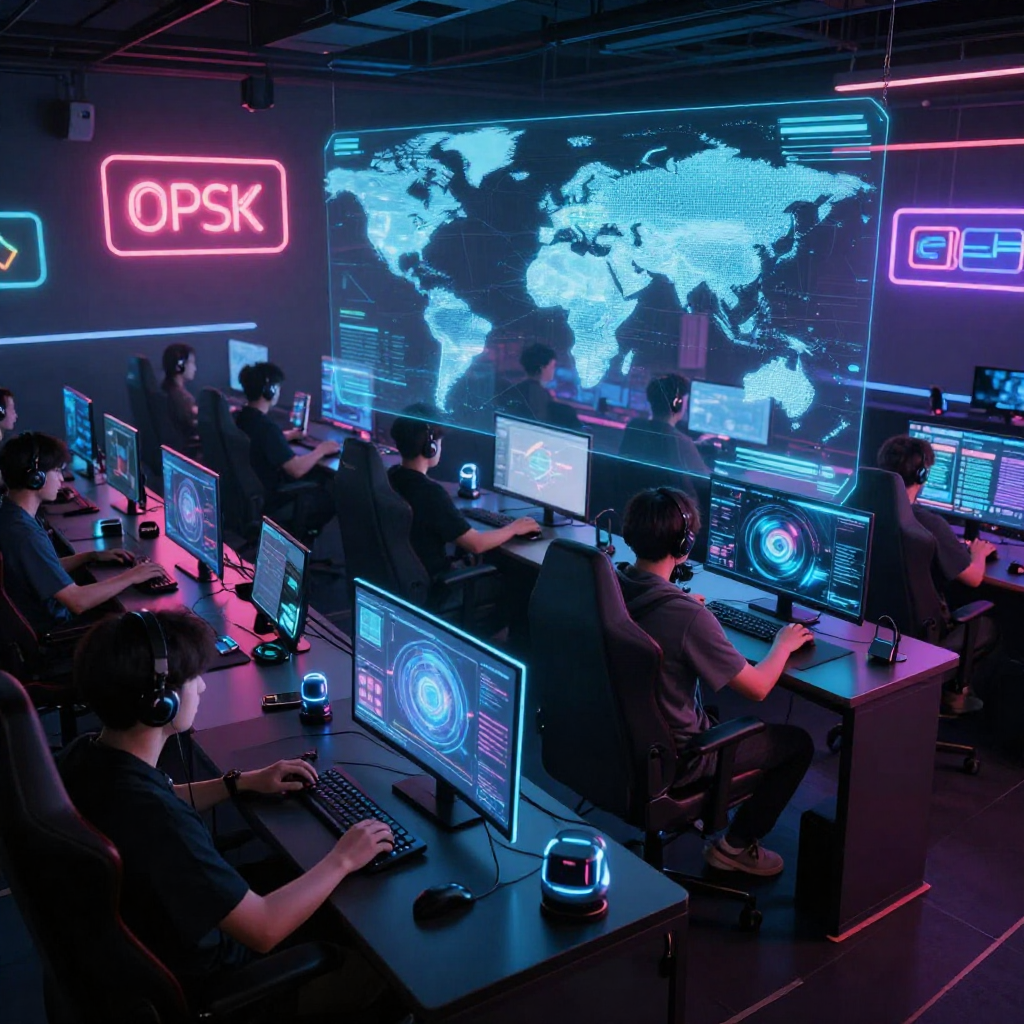

Online games are often seen as simple entertainment — colorful worlds where players fight battles, complete missions, and have fun. However, beneath the surface, these virtual environments offer much more than excitement. They challenge players to think critically, work with others, and adapt quickly to changing situations. In many ways, online games act like training grounds where real-life skills are developed. From teamwork to time management, the lessons learned in digital worlds often carry over into everyday life.
More Than Just Play
At first glance, gaming may look like an activity meant only for passing time. Yet modern online games are complex systems that require planning, strategy, and decision-making. Players must constantly analyze their surroundings, make quick choices, and solve problems under pressure.
These challenges stimulate the brain and keep players mentally active. Instead of being passive entertainment, online games demand participation and engagement. This active involvement helps develop useful cognitive abilities that extend beyond the screen.
Teamwork and Cooperation
One of the most important lessons online games teach is teamwork. Many multiplayer games require players to cooperate to achieve shared goals. Whether defending a base, completing missions, or competing in tournaments, success often depends on how well teammates work together.
Players learn to communicate clearly, share responsibilities, and support one another. They discover that individual talent alone is not enough — coordination and trust are equally important. These teamwork skills are valuable in school projects, workplaces, and everyday social situations.
Problem-Solving and Critical Thinking
Online games constantly present obstacles that players must overcome. Puzzles, enemies, limited resources, and unexpected challenges force players to think creatively and strategically. They must evaluate different options and choose the best solution.
This process strengthens problem-solving and critical thinking skills. Gamers learn to stay calm, assess situations quickly, and adapt their strategies when things go wrong. Such abilities are extremely useful in real life, where challenges often require flexible and logical thinking.
Decision-Making Under Pressure
Many online games are fast-paced and competitive. Players often have only seconds to react during intense moments. A single decision — whether to attack, defend, or retreat — can determine success or failure.
Making quick yet effective decisions under pressure improves focus and confidence. Over time, players become better at handling stressful situations. This skill can help in exams, presentations, or important life choices where staying calm is essential.
Building Patience and Resilience
Losing is a natural part of gaming. Even the best players experience defeat. However, games teach an important lesson: failure is not the end but an opportunity to improve. Players analyze their mistakes, practice more, and try again.
This cycle builds patience and resilience. Gamers learn not to give up easily and to view challenges as chances for growth. Developing this mindset is valuable in real life, where persistence often leads to success.Visit online hargatoto for more details .
Time Management and Responsibility
Balancing gaming with daily responsibilities requires good time management. Players must decide when to play and when to focus on school, work, or family. Learning to set limits helps develop discipline and responsibility.
Many games also include objectives, deadlines, and resource management, which encourage planning and organization. These habits can improve productivity and efficiency in everyday tasks.
Social Skills and Global Awareness
Online gaming connects people from different countries, cultures, and backgrounds. Players interact with teammates and opponents from around the world, often communicating in different languages.
This exposure builds social confidence and cultural awareness. Players learn respect, cooperation, and understanding of diverse perspectives. Such experiences promote open-mindedness and prepare individuals for a globally connected society.
Creativity and Innovation
Some online games allow players to design characters, build structures, or create entire virtual environments. These features encourage imagination and creativity. Instead of simply following rules, players experiment and invent their own strategies or designs.
Creative thinking developed through gaming can inspire innovation in other areas such as art, technology, or problem-solving. It shows that games can be both entertaining and intellectually stimulating.
The Importance of Balance
While online games offer many benefits, moderation is key. Spending too much time gaming can affect health or responsibilities. Maintaining a healthy balance ensures that gaming remains productive and enjoyable.
When played responsibly, online games can be powerful tools for learning and personal growth rather than distractions.
Conclusion
In conclusion, online games are much more than digital entertainment. They teach teamwork, problem-solving, decision-making, resilience, and creativity — all essential life skills. The lessons learned in virtual worlds often shape how players think and act in real life. By combining fun with learning, online gaming proves that play can be both meaningful and educational. Truly, virtual worlds can build real skills that last a lifetime.